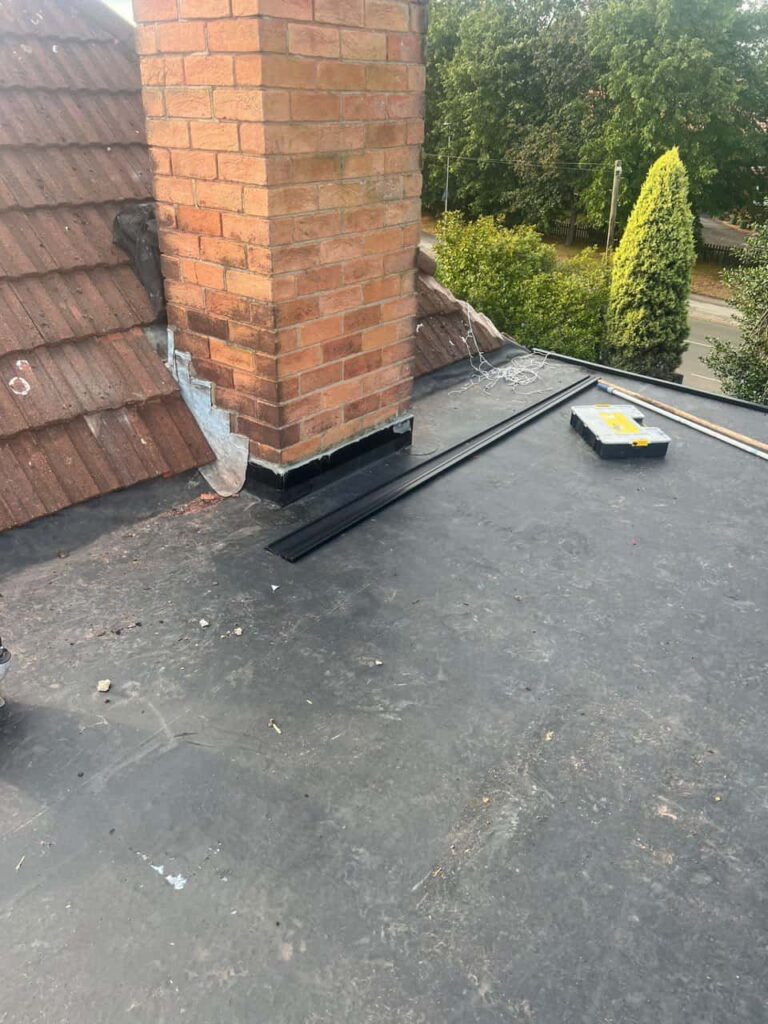
A roof leak can begin as a small problem but may become more disruptive if the source is not identified and repaired promptly. Water entering through a roof can affect ceilings, insulation, timber and other parts of a property, while repeated moisture can contribute to further deterioration.
For homeowners and businesses in Swanley, Kent, understanding the common causes and warning signs of roof leaks can help ensure problems are addressed before they become more extensive.
What Causes Roof Leaks?
Roof leaks can develop for several reasons, and the visible water damage inside a property is not always directly below the point where water has entered. Water can travel along roof timbers and other surfaces before becoming visible.
Common causes include:
Damaged or Missing Roof Tiles
Cracked, slipped or missing tiles can leave areas of the roof exposed to rainfall. Even a relatively small gap can allow water to enter, particularly during periods of persistent or wind-driven rain.
Worn Roof Flashing
Flashing is used around areas such as chimneys, roof junctions and other changes in the roof structure. If flashing becomes damaged, loose or deteriorated, water may find its way through these vulnerable points.
Blocked or Damaged Gutters
Gutters are designed to carry rainwater away from the roof. When they become blocked with leaves and debris, water can overflow or remain against parts of the roof, potentially contributing to moisture problems.
Deteriorated Roof Materials
Roofing materials naturally become exposed to weather over time. General deterioration, damaged joints and failing sealants can create openings through which water can enter.
Warning Signs of a Roof Leak
Some roof leaks are immediately obvious, while others develop gradually. Recognising early warning signs can help prevent further damage.
Look out for:
- Water stains or discolouration on ceilings
- Damp patches around chimney areas
- Dripping or visible water after rainfall
- Mould or persistent damp smells
- Damaged or deteriorating plaster
- Missing, cracked or slipped roof tiles
- Water marks around roof windows or junctions
A leak may only become noticeable during heavy rainfall, but that does not necessarily mean the underlying issue is minor.
What Should You Do When You Discover a Leak?
If you notice signs of water entering your property, the first step is to identify and contain the immediate problem where possible. Move furniture and other belongings away from affected areas and place a container beneath active dripping.
Avoid attempting to access steep or damaged sections of the roof yourself. Roof surfaces can become particularly slippery during wet weather, and locating the actual source of a leak may require specialist knowledge.
A professional roof inspection can help establish where the water is entering and what repairs are required.
Why Finding the Source Matters
Repairing the visible water stain alone will not resolve a roof leak. The source needs to be identified and addressed to prevent the problem from returning.
A roofing professional will assess vulnerable areas such as tiles, flashing, roof junctions, gutters and other components. This allows the repair to focus on the underlying cause rather than simply treating the visible symptoms.
Can a Small Roof Leak Become a Bigger Problem?
Even a small leak should not be ignored. Continued moisture can affect roofing materials and areas beneath the roof. Over time, this may lead to deteriorating timber, damaged insulation, staining and further internal problems.
Prompt roof leak repairs can help limit the amount of water entering the property and reduce the likelihood of secondary damage.
Professional Roof Leak Repairs in Swanley
Effective roof repairs require an approach suited to the condition and construction of the roof. Replacing a damaged tile may resolve one leak, while problems involving flashing, roof junctions or multiple areas of deterioration may require more detailed work.
For properties in Swanley, Kent, Swanley Roofing Repairs can inspect the affected area, identify potential causes and carry out appropriate roof leak repairs.
Preventing Future Roof Leaks
Regularly checking the roof and rainwater goods can help identify problems before they develop into significant leaks. Look for damaged tiles, blocked gutters, deteriorated flashing and other visible signs of wear.
After periods of severe weather, it can also be useful to check for slipped or damaged roofing materials.
Conclusion
Roof leaks can result from damaged tiles, worn flashing, blocked gutters and general deterioration of roofing materials. Recognising warning signs and arranging an inspection promptly can help prevent a small leak from developing into a more extensive problem.
If you have noticed water ingress or signs of roof damage at your property in Swanley, Kent, contact Swanley Roofing Repairs to discuss the problem and arrange a professional roof inspection or repair.
Call us on: 01322 952 294
Click here to find out more about Swanley Roofing Repairs
Click here to complete our contact form and see how we can help with your roofing needs.